Home/Bathroom Remodeling/Bathroom Vanity Installation
Go2you Construction LLC
Bathroom vanity installation in Clarksville, TN
Storage, sink space, and a better fit
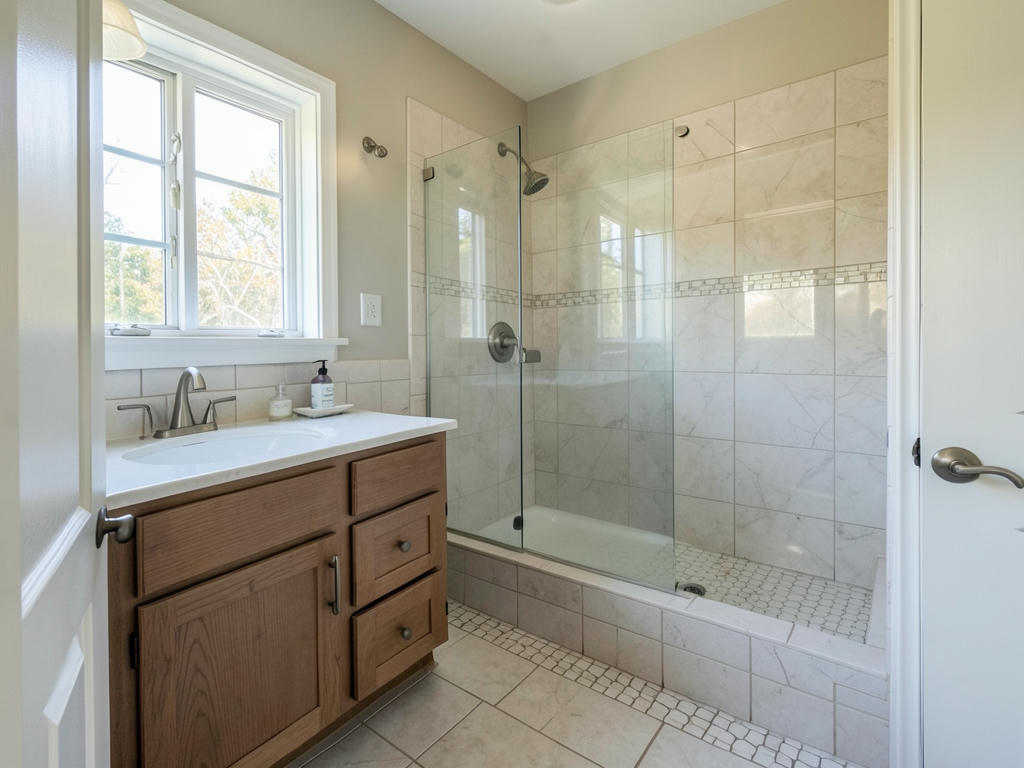
Bathroom vanity installation in Clarksville, TN, gives you an opportunity to improve storage and replace a worn sink cabinet. We offer this focused bathroom update, with cabinet dimensions, countertop choices, and existing room conditions shaping what the job involves.
How do you choose a vanity that fits?
A vanity needs to fit both the room and the way you use it. Start with the available width, but also measure depth, overall height, and the path of the bathroom door. A deeper cabinet can make a narrow room difficult to move through, even if it fits along the wall. Check drawer extension against nearby trim, toilets, and shower doors. When you contact us about bathroom vanity installation in Clarksville, share the current vanity dimensions and tell us what feels cramped or inconvenient.
Storage layout matters as much as cabinet size. Full drawers make small items easier to reach, but the drain and supply pipes may occupy the same space. Doors can provide more flexibility around existing connections. A single sink generally leaves more usable countertop space than two sinks in a similarly sized cabinet. Freestanding vanities rest on the floor, while wall-hung models need suitable wall support. Before ordering, ask how the proposed cabinet accommodates your plumbing and whether its installation instructions call for additional blocking behind the wall.
What happens during vanity removal and installation?
Vanity replacement generally starts with checking that the water can be shut off and protecting the surrounding finishes. The faucet supplies and drain are disconnected before the sink top and cabinet are removed. Old caulk, fasteners, and backsplash adhesive need careful attention because pulling a cabinet away can damage drywall or nearby tile. Removal also reveals conditions hidden by the cabinet. Soft flooring, staining, or deteriorated wall material should be evaluated before the replacement conceals that area again; a new cabinet cannot correct an underlying moisture problem.
The new cabinet is positioned, checked for level, shimmed where necessary, and attached to suitable wall framing or support. The top and sink are then fitted according to their installation instructions. Faucet and drain placement must leave room for connections without interfering with drawers. Final work generally includes reconnecting the supplies and drain, checking for leaks, applying appropriate sealant, and adjusting doors and drawers. If the vanity is one part of a larger change, we also offer bathroom remodeling, so you can discuss the surrounding work together.
Which vanity cabinet and countertop materials make sense?
Vanity materials should suit a room that sees splashes, damp towels, and frequent cleaning. Cabinet construction may include plywood, solid wood components, particleboard, or medium-density fiberboard. These materials respond differently to prolonged moisture, especially at exposed edges and cutouts. Look beyond the door style: inspect edge sealing, drawer construction, hardware access, and the finish inside the sink compartment. No cabinet material makes an active leak harmless. Promptly addressing drips and keeping standing water off cabinet edges remain important regardless of the product you select.
Countertop choices affect maintenance, sink options, and installation sequencing. An integrated sink top combines the basin and counter in one piece, while an undermount sink attaches beneath a compatible countertop. Natural stone may require periodic care specified by its supplier; engineered surfaces also have cleaning and heat limitations. Confirm faucet hole spacing before buying fixtures, and check that a backsplash will not conflict with an outlet or mirror. If you also want bathroom tile installation, decide where the tile ends before finalizing the vanity top and backsplash.
What affects the scope of a vanity replacement?
Keeping a similar cabinet size and existing connection locations generally makes replacement more straightforward. A wider cabinet, a second sink, or a wall-hung design can introduce additional work. Moving the sink changes drain and supply alignment, and switching from doors to drawers can expose conflicts inside the cabinet. An existing mirror, light fixture, or outlet may no longer line up with the new sink. We encourage you to share the full proposed arrangement, not just a cabinet photo, so the discussion covers how the pieces fit together.
A different cabinet footprint can also uncover unfinished surfaces. Flooring sometimes stops at the old vanity, and a shorter backsplash may reveal damaged paint or adhesive. Those conditions can make patching, painting, or flooring installation part of the project discussion. In general, a straightforward replacement has fewer stages than work involving plumbing relocation, surface repairs, or a separately fabricated countertop. Repairs and finishing materials may need drying time, and sealants need their specified curing time. Delivery and fabrication can take longer than the hands-on cabinet installation itself.
How should you prepare for bathroom vanity installation?
Preparing for installation starts with clearing the cabinet, drawers, and countertop completely. Remove toiletries, cleaning supplies, wastebaskets, and fragile items near the work area. Keep the route into the bathroom open, including stairs and tight turns that may affect delivery of a large top. Identify the household water shutoff and mention any sink valves that are stuck or leaking. If this is your only bathroom, discuss sink access during the work before scheduling. A toilet or shower nearby does not necessarily need removal, but working space still matters.
Before purchasing products, gather cabinet specifications, countertop dimensions, sink details, and faucet requirements. Ask who supplies each component, whether the top comes predrilled, and what happens if removal reveals damaged surfaces. Photos of the current connections and the area inside the cabinet can help frame that conversation, though they do not replace measurements. If you found us while searching for bathroom vanity installation near me, call with those details and your location. We serve Clarksville as well as Sango and the other towns listed in our service area.
Questions
Questions about replacing a bathroom vanity
What is a realistic budget for a bathroom remodel?
A realistic bathroom remodel budget depends on the work included, material selections, and existing conditions. For a vanity-focused update, separate the cabinet, top, sink, and faucet from removal, installation, and possible surface repairs. We can discuss your proposed scope when you call. A cabinet purchase alone does not account for every part of the finished installation.
Can I replace my vanity without replacing the floor?
You can often replace a vanity without replacing the floor if the existing flooring is sound and covers the new cabinet footprint. A smaller cabinet or one with exposed legs may reveal gaps or unfinished flooring. Check what is beneath the current vanity before committing to a different style, especially when changing from a cabinet base to an open design.
How long does bathroom vanity installation take?
Installation time depends on whether the job is a direct replacement or requires repairs and layout changes. Removing and setting a ready-made vanity can be relatively brief compared with relocating connections or waiting for a fabricated top. Adhesives, finishes, and sealants may need additional drying or curing time before the sink is ready for use.
Should I buy the vanity before arranging installation?
It is better to confirm measurements and connection requirements before buying the vanity. Product photos rarely show every clearance issue, and drawers may conflict with existing plumbing. We suggest having the specification sheet available when discussing the job, including cabinet depth, sink position, faucet holes, and any required wall support for a floating model.
Can a new vanity fix a leaking bathroom sink?
A new vanity alone does not fix a leaking sink; the source of the leak must be corrected. Supply connections, faucet components, drain fittings, and seals can each cause moisture beneath the sink. Water-damaged cabinet material may need replacement, but installing a new cabinet without addressing the leak leaves the same problem in place.